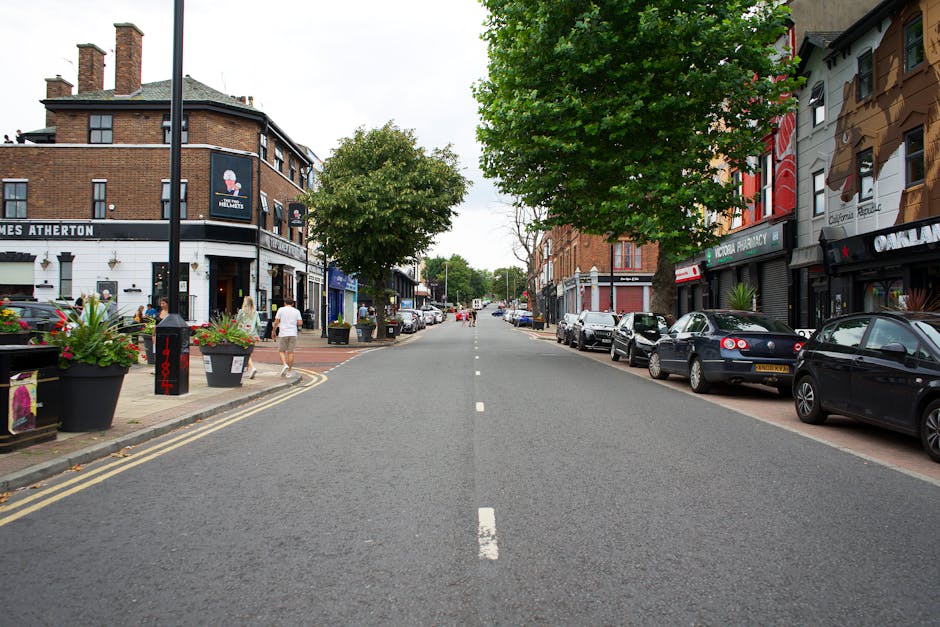
Colliers Wood High Street moving tips for removals

If you are planning a move around Colliers Wood High Street, you already know this is not the kind of place where you can just "wing it" on the day. Traffic builds, kerb space disappears fast, and one poorly timed arrival can throw the whole schedule off. These Colliers Wood High Street moving tips for removals are designed to help you avoid the usual stress points and get from A to B with fewer surprises.
Whether you are moving from a flat above the shops, a family home nearby, or a small business unit close to the High Street, the basics are the same: plan the access, pack properly, choose the right vehicle, and keep your timing realistic. Sounds simple. In practice, it rarely is. That is exactly why a local, street-level approach matters.
Below you will find practical advice on planning, parking, packing, vehicle choice, compliance, and the small details that tend to make the biggest difference. A move is never just boxes and tape. It is access, timing, nerves, and a bit of luck too.
Why Colliers Wood High Street moving tips for removals Matters
Colliers Wood High Street is busy enough that small moving mistakes can become big ones. A van parked in the wrong place, a delayed lift booking, or a box that should have been labelled "fragile" but was not can create avoidable friction. And because High Street moves often involve shared access, neighbours, shopfronts, narrow routes, and time pressure, the stakes are higher than they first appear.
This matters for a few reasons. First, moving is physically demanding, so every extra trip back and forth costs time and energy. Second, urban moves are usually timing-sensitive. Third, the street environment itself changes through the day. A calm morning can become a crowded, stop-start afternoon before you know it. That is the reality of London moving, to be fair.
Planning well also protects your belongings. A rushed move usually means more dropped items, crushed boxes, scratched furniture, and the sort of "we'll sort it later" decisions that become expensive later. If you want fewer problems, you need a plan before the first box leaves the property.
For many people, the best approach is to match the move type to the property and access route. A compact household move might suit a man with van service, while larger homes or multi-room flats often need a more structured house removals setup. Commercial moves, meanwhile, usually need a different rhythm altogether.
How Colliers Wood High Street moving tips for removals Works
Think of a High Street removal as a sequence rather than a single event. The more clearly each stage is understood, the fewer last-minute snags you will face. In practical terms, the move usually breaks down like this:
- Check the property access at both ends.
- Choose the right removal option for the volume and distance.
- Pack and label everything in a way that matches the order of loading.
- Protect entry points, furniture, and fragile items.
- Load strategically so the vehicle can be unloaded efficiently.
- Keep a clean handover trail for keys, utilities, and final checks.
The most effective removals are rarely the fastest on paper. They are the ones that are organised enough to avoid delays. If you can reduce the number of times someone has to stop and ask, "Where does this go?" you are already ahead.
Vehicle choice matters too. A smaller removal van can be ideal if parking is tight and the load is modest. Larger loads may benefit from a moving truck or a more flexible removal truck hire arrangement. The trick is not to overestimate how much will fit, especially when bulky furniture is involved.
In many local moves, packing support helps more than people expect. Services such as packing and boxes or full packing and unpacking services can save time and reduce damage. That can be a real relief when you are juggling children, work, or a completion deadline. And yes, completion-day energy is a very specific kind of chaos.
Key Benefits and Practical Advantages
Good moving preparation on Colliers Wood High Street is not just about avoiding stress. It can also improve the whole experience in ways people notice immediately.
- Less time wasted: proper planning reduces repeat trips, confusion, and waiting around.
- Lower risk of damage: better packing and loading protect furniture and fragile items.
- Cleaner access management: you avoid awkward kerbside bottlenecks and blocked walkways.
- Better coordination: everyone knows what happens first, next, and last.
- More predictable costs: fewer delays and fewer surprises usually make the move easier to budget.
- Less physical strain: which, let's face it, is one of the biggest benefits on moving day.
There is also a calmer emotional payoff. When the plan is clear, the move feels manageable. You notice the small things more: a clean hallway, a box marked kitchen, the satisfying click of tape sealing properly, the quiet moment when the van is finally loaded and you can breathe again. It makes a difference.
If you are considering a broader local move plan, the main site pages for removals and removal services can help you compare service types and think through the right level of support.
Who This Is For and When It Makes Sense
This guidance is useful if you are moving from a flat, terrace, maisonette, shop unit, office, or student accommodation near the High Street. It is especially relevant if your property has shared access, limited parking, stairs, a lift booking requirement, or a narrow loading area. In short: if your move could be made awkward by the street itself, this article is for you.
It also makes sense in different situations:
- Homeowners who need a structured move with furniture protection and careful loading.
- Tenants trying to fit move-out timing around deposit handover and final cleaning.
- Students moving at the end of term with smaller loads and tight budgets. A student removals option can be more practical than hiring something oversized.
- Flat movers dealing with stairs, controlled entry, or shared common areas. See flat removals if this sounds familiar.
- Businesses relocating desks, stock, or equipment, where downtime matters and timing is everything. For these, commercial moves and office removals are usually the more suitable frame.
There is no one-size-fits-all removal style. That is the honest answer. A one-bedroom flat move on a weekday morning is not the same as clearing an office or moving a piano from a second-floor room. Different jobs, different risks.
Step-by-Step Guidance
1. Start with the access route, not the packing tape
Before you box a single plate, walk the route from front door to vehicle. Look for tight stair turns, low ceilings, shared corridors, door widths, and any awkward kerbs. If there is a lift, check whether it is booked, padded, or restricted. This is the sort of thing people forget until move day, and then it becomes everybody's problem.
2. Match the vehicle to the load
If you have mostly bags, boxes, and a few lighter pieces, a smaller vehicle may be enough. If you are moving beds, wardrobes, white goods, or multiple rooms of furniture, choose something with real capacity. Overcrowding a van is never a clever shortcut. It looks efficient for about ten seconds, then becomes a puzzle with no good ending.
3. Pack by room and by priority
Use clear labels and keep one "first-night" box separate for essentials: chargers, toiletries, kettle items, meds, snacks, and a change of clothes. Put it somewhere you can reach without unpacking half the van. You will thank yourself later, probably around 9:30pm when you cannot face another sealed box.
4. Protect fragile and awkward items properly
Wrap glass, lamps, mirrors, and electronics with enough cushioning to survive small knocks and changes in weight. For older furniture, add corner protection. If something is unusually heavy or delicate, say so before loading begins. That includes items such as upright pianos, which often need dedicated handling from specialist providers like piano removals.
5. Load in the right order
Heavy items usually go in first, with stable bases and lighter, more fragile items secured above or around them where appropriate. The aim is to stop movement in transit. A loosely packed load can shift, especially if there are stops, turns, or traffic delays. And on a busy route, there usually are.
6. Leave time for the awkward bits
At least one task will take longer than expected. It always does. Maybe the sofa will not fit through the door on the first try. Maybe the parking bay is fuller than expected. Maybe someone has misplaced the key. Build in margin. A move with breathing room is a very different experience from one that is running on fumes.
Expert Tips for Better Results
Here are the small, practical adjustments that can make a surprisingly big difference.
- Photograph cable setups before unplugging TVs, computers, and routers.
- Keep screws and fittings together in labelled bags taped to the furniture they belong to.
- Use consistent room labels so boxes are easy to place at the destination.
- Reserve the biggest items for the easiest access point if the layout allows it.
- Plan for weather; wet cardboard and slick steps are a bad combination.
- Have one person act as a coordinator so instructions do not get mixed in the middle of the job.
If your move is time-sensitive, same-day availability may be worth considering. A same-day removals service can be useful when plans change quickly, although it is still sensible to book early whenever possible. Last-minute moves have their own personality. Not always a pleasant one.
For move-day support, some people also choose a man and van arrangement for smaller jobs, while others prefer the flexibility of man with a van or man with van support. The key is to match the service to the job, not the other way around.
Common Mistakes to Avoid
Most moving headaches are preventable. The trouble is that they often feel minor right up until they cause a delay.
- Underestimating access issues: a quick-looking route can still be awkward with a loaded trolley.
- Packing too late: rushed packing leads to breakages and missing items.
- Using weak boxes: tired cardboard gives up at the worst time.
- Ignoring parking or loading constraints: especially important around busier street locations.
- Not measuring furniture: a wardrobe that will not clear a turn can stop the whole process.
- Forgetting essentials: keys, documents, chargers, medicines, and cleaning supplies are the items people miss most often.
- Choosing the wrong service type: a light-duty solution is not enough for a full household load, and a huge truck can be overkill for a small flat.
Another common mistake is assuming storage will not be needed. Sometimes it is the most sensible answer, especially if move-out and move-in dates do not line up. If that sounds familiar, take a look at storage as part of the plan rather than as an afterthought.
Truth be told, the best move is often the one where you did a little more preparation than you thought necessary.
Tools, Resources and Recommendations
You do not need a huge toolkit to move well, but a few basics are genuinely worth having:
- Strong tape and a good tape dispenser
- Permanent marker pens for labels
- Bubble wrap or paper for fragile items
- Furniture blankets or covers
- Sturdy sacks or bags for soft items
- Scissors, box cutter, and a small tool kit
- Door and floor protection if the property is tight or newly decorated
On the service side, the most useful support is often the one that reduces friction rather than adding complexity. For example, packing and unpacking services can be a smart choice if you have limited time. If you are moving a heavier household or want more hands-on support, house removalists may be the more appropriate option.
If you need to compare service levels and make sense of what is included, the pages for removal companies, removal van, and removal truck hire can help you think through the shape of the job before you commit.
Law, Compliance, Standards, or Best Practice
For a move in a busy London setting, it is wise to stay aligned with standard UK moving practice even when the job itself is straightforward. That usually means looking after access, avoiding obstruction, handling goods safely, and being clear about responsibilities before the day begins.
There are a few common-sense points worth keeping in mind:
- Parking and loading: always plan with local conditions in mind and avoid assuming space will be available on arrival.
- Health and safety: lifting heavy items badly is one of the most common moving risks. Good technique and the right equipment matter.
- Insurance and accountability: check what level of cover and safety process is in place before moving valuable items.
- Clear terms: understand what is included, what is not, and how timing changes are handled.
For peace of mind, it is worth reviewing the company's own health and safety policy alongside its insurance and safety approach and terms and conditions. That is not overcautious. It is simply sensible, especially if you are moving furniture that matters or trying to keep the day predictable.
You should also consider payment and security and privacy policy details when booking online. These are not glamorous parts of the process, but they are part of a trustworthy service experience.
Options, Methods, or Comparison Table
Choosing the right removal approach is usually about scale, access, and urgency. Here is a simple comparison to help you think it through.
| Option | Best for | Strengths | Trade-offs |
|---|---|---|---|
| Man and van | Small to medium moves, flexible loads | Flexible, practical, often quick to arrange | Less suitable for very large or heavy moves |
| Full removals service | Homes, family moves, multi-room properties | More support, better for heavier or larger jobs | May be more than you need for a very small move |
| Removal van | Compact loads, local journeys, tight access | Good for street access and smaller volumes | Capacity can be limited |
| Moving truck | Larger homes or bulkier furniture | Better volume and fewer trips | Needs more space and planning |
| Storage first | Gap between move-out and move-in dates | Useful when timings do not align | Requires extra coordination |
If you are moving a smaller set of belongings, especially from a student property or a compact flat, the simpler options can make sense. For bigger or more complex removals, a more structured service is often worth it. There is no prize for using the largest vehicle possible. Sometimes the smartest option is the least dramatic one.
Case Study or Real-World Example
Imagine a couple moving out of a first-floor flat near Colliers Wood High Street on a Friday afternoon. They have a sofa, dining table, two wardrobes, a mattress, and around thirty boxes. The building has shared access, the stairs turn sharply halfway up, and there is limited space directly outside.
In a rushed version of this move, the van arrives late, the boxes are not labelled, the wardrobe screws are loose in a drawer somewhere, and the couple spends twenty minutes trying to remember which pile contains the kettle. Small issues. Big frustration.
In a better version, they check access the day before, book an appropriately sized vehicle, label boxes by room, keep essentials separate, and protect the hallway and furniture. They also put fragile items in a clearly marked section and confirm loading order before the van arrives. The move still takes effort, because of course it does, but it runs with far less tension.
That is usually the difference between a chaotic move and a decent one. Not perfection. Just enough structure that people can keep moving without constantly stopping to solve the same problem twice.
Practical Checklist
Use this checklist in the final 48 hours before moving day:
- Confirm the moving date and arrival window
- Walk both properties and note access restrictions
- Measure large furniture and doorways
- Sort items into keep, donate, store, and discard
- Label boxes by room and priority
- Pack an essentials box for the first night
- Protect fragile items and loose fittings
- Arrange parking or loading plans where needed
- Keep keys, documents, and valuables with you
- Check whether you need storage or extra help
- Review the service details, including pricing and quotes
Quick takeaway: the smoother the access plan, the easier the rest of the move becomes. That one detail solves more problems than people expect.
Conclusion
Moving on or around Colliers Wood High Street is manageable when you treat it like a local logistics job, not just a packing job. Plan the access. Pick the right vehicle. Protect your furniture. Leave time for the small delays that always show up at the worst possible moment. Do those things, and the day becomes much more controlled.
If you need a move that feels better organised from the start, it is worth comparing the most relevant service options and choosing the one that fits the property, the load, and the timing. That is how you avoid stress without overspending or overcomplicating the day.
Get a free quote today and see how much you can save.
A good move is never just about getting things across town. It is about arriving with your peace of mind mostly intact. And honestly, that matters just as much as the boxes.
Frequently Asked Questions
What are the most important Colliers Wood High Street moving tips for removals?
The most important tips are to plan access carefully, choose the right vehicle size, pack by room, label boxes clearly, and build in extra time for parking or loading delays. Those five things solve a lot of problems before they start.
Should I use a man and van or a full removals service?
It depends on the size and complexity of the move. A man and van setup is often suitable for smaller loads, while a full removals service is better for larger homes, heavier furniture, or moves with trickier access.
How do I know if I need storage during my move?
If your move-out and move-in dates do not line up, or if you have items you do not want to take immediately, storage can be a sensible short-term fix. It is especially useful when timings are uncertain.
What should I do if parking is tight on Colliers Wood High Street?
Check the access route in advance, decide where loading will happen, and choose a vehicle that can fit the space you actually have. A smaller van may be easier than trying to force a larger vehicle into a cramped spot.
How far in advance should I book removals?
As early as you can, especially if you are moving on a busy day or have specific timing needs. Short-notice bookings can still work, but the more notice you give, the easier it is to match the right service to your move.
What items need the most protection during a move?
Glass, mirrors, artwork, electronics, lamps, and older furniture tend to need the most care. Heavy items with delicate surfaces also benefit from proper wrapping and padding.
Are same-day removals suitable for local moves?
Yes, sometimes. They can be useful when plans change suddenly or you need a quick turnaround. Just remember that same-day work is usually easier when the load is modest and access is straightforward.
What is the best way to pack boxes for a flat move?
Pack by room, keep similar items together, avoid overfilling heavy boxes, and label each box clearly. For a flat move, organised labeling matters more than most people think, because it speeds up unloading and unpacking.
Can I move bulky furniture through a narrow stairwell?
Sometimes, but not always safely or without dismantling. Measure the item and the route first. If there is any doubt, it is better to plan for dismantling or specialist handling than to force the issue.
What should I check before booking a removal company?
Look at the company's services, how the move is handled, what support is included, and whether the terms, insurance, and safety information are clear. That gives you a better sense of whether the service fits your move properly.
Is it worth paying for packing and unpacking help?
If you are short on time, have a lot of fragile items, or simply do not want the packing stage to swallow your week, then yes, it can be worth it. It often reduces stress and improves the chance that things arrive intact.
What is the biggest mistake people make when moving from Colliers Wood High Street?
The biggest mistake is underestimating access and timing. People often focus on boxes and forget the street, parking, lift use, or loading path. In a busy area, that can be the difference between a smooth move and a long, frustrating one.